Malaria fight at risk as drug resistance spreads despite new tools saving millions
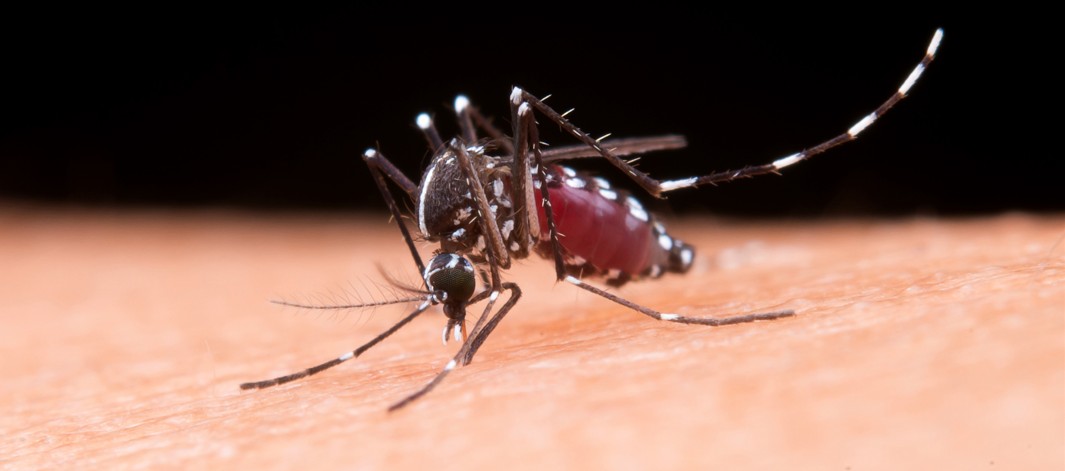
A new WHO report finds rising malaria drug and insecticide resistance, 282 million cases and 610,000 deaths in 2024, even as vaccines and new tools avert 1 million deaths worldwide.
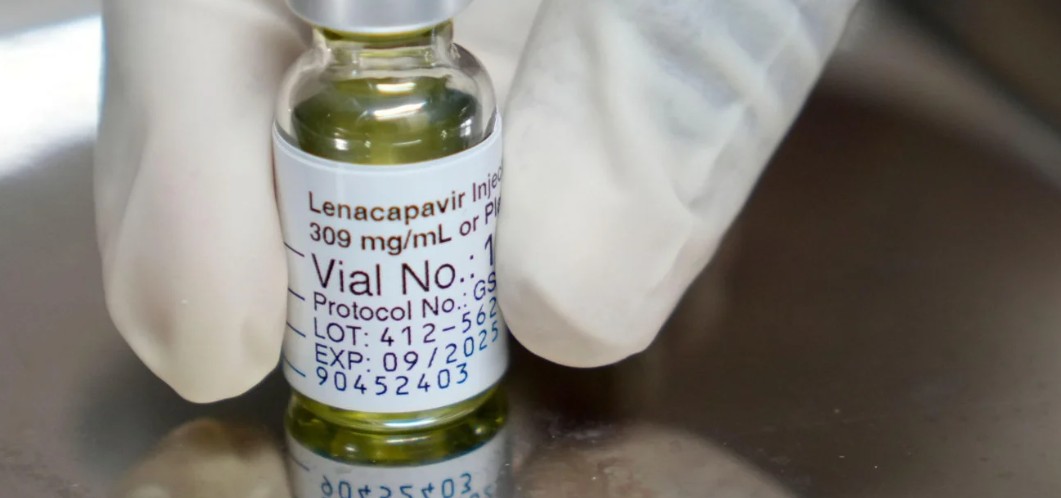
A recent WHO report warns that resistance to critical malaria control tools is rising, making the disease increasingly difficult to manage and treat.
Partial artemisinin resistance—one of the most important malaria medicines—has been confirmed or suspected in at least eight African countries. Pyrethroid resistance has also been documented in 48 countries, reducing the effectiveness of insecticide-treated mosquito nets. The report also notes the continued spread of the invasive mosquito species Anopheles stephensi, now present in nine African nations.
More To Read
- Malaria: Drug resistance and underfunding threaten progress towards eliminating killer disease
- EU and Africa launch regional maritime security plan to tackle piracy and trafficking
- Study warns climate shifts could widen malaria risk across Africa
- WHO warns of rising antimicrobial resistance in fungal infections
- Kamukunji rallies against vaccine myths as leaders take immunisation door-to-door
- African nations pledge to boost local manufacturing of medical products
Despite these challenges, the expanded use of newer malaria interventions—such as dual-ingredient mosquito nets and WHO-recommended vaccines—prevented an estimated 170 million cases and 1 million deaths in 2024, according to the latest World Malaria Report. Many countries are integrating these interventions into their routine health systems.
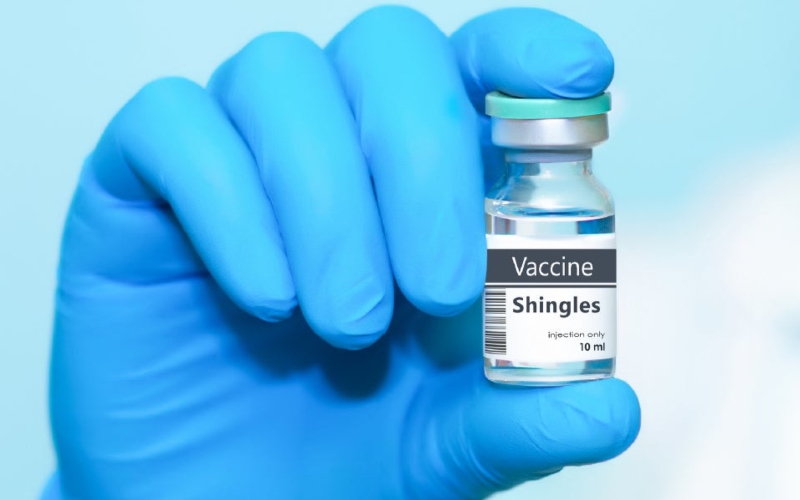
Malaria vaccine
Since the first malaria vaccine was approved in 2021, 24 countries have incorporated it into their regular immunisation schedules. Seasonal malaria chemoprevention has also scaled up, reaching 54 million children in 2024, compared with just 200,000 in 2012, and is now implemented in 20 countries.
Progress towards malaria elimination continues, with 47 countries and one territory now certified malaria-free. In 2024, Cabo Verde and Egypt joined this list, followed by Georgia, Suriname, and Timor-Leste in 2025.
Nonetheless, malaria still caused an estimated 282 million cases and 610,000 deaths in 2024—around 9 million more cases than the previous year. Approximately 95 per cent of these deaths occurred in the WHO African Region, largely among children under five. The report warns that rising drug resistance threatens efforts to meet elimination targets.
Renewed hope
“New tools give us renewed hope, but the challenges remain substantial,” said WHO Director-General Tedros Adhanom Ghebreyesus.
“Rising cases and deaths, expanding drug resistance, and funding gaps risk reversing two decades of progress. Yet with strong leadership from the hardest-hit countries and targeted investments, the goal of a malaria-free world is still attainable.”
This year’s report highlights growing evidence of partial resistance to artemisinin derivatives, which have become the cornerstone of malaria treatment after earlier drugs, such as chloroquine and sulfadoxine–pyrimethamine, lost effectiveness. Signs also suggest that the partner drugs used in combination with artemisinin may be declining in efficacy.
Global malaria targets are falling short. In 2024, the disease caused 13.8 deaths per 100,000 people—more than triple the global target of 4.5.
Growing challenges
A widening set of threats is complicating malaria control efforts. Parasites with pfhrp2 gene deletions continue to compromise rapid diagnostic tests.
Pyrethroid resistance undermines the effectiveness of insecticide-treated nets. At the same time, the spread of Anopheles stephensi—a species well-suited to urban environments and resistant to many insecticides—poses new challenges for controlling malaria in cities.
Climate-related extreme weather events are reshaping mosquito habitats and contributing to increased outbreaks. Conflict and instability across affected regions are disrupting health services, delaying diagnosis and treatment, and limiting access to preventive measures.
Stagnant funding
The situation is worsened by stagnant funding. In 2024, global investment in malaria control reached US$3.9 billion—less than half of the US$9.3 billion needed for 2025 under the Global Technical Strategy for Malaria.
Reductions in Official Development Assistance (ODA) have further strained health systems, weakening disease surveillance, causing stock-outs, and forcing delays or cancellations of intervention campaigns.
“The World Malaria Report is unequivocal: drug resistance is spreading,” said Dr Martin Fitchet, CEO of Medicines for Malaria Venture.
“Our response must be just as strong—developing new treatments with new modes of action. The emergence of the first non-artemisinin combination therapy, Ganaplacide–Lumefantrine, shows that this is possible. With global partnership, commitment, and investment, we can stay ahead of resistance and ensure malaria no longer threatens lives.”
Malaria in Kenya
Kenya has made significant progress in fighting malaria, but the disease remains a serious problem in some areas. Recent reports show malaria cases fell by almost 18 per cent in 2024, meaning hundreds of thousands fewer people fell ill compared to the previous year.
Over the past decade, the overall number of malaria cases in Kenya has declined, largely due to mosquito nets, indoor spraying, improved medicines, and newer tools such as malaria vaccines and seasonal malaria chemoprevention for children.
However, some regions still report very high numbers of cases, particularly counties around Lake Victoria, parts of the coast, and western Kenya.
Turkana County, for example, has malaria prevalence well above the national average. These areas remain hotspots due to favourable conditions for mosquito breeding, coupled with funding challenges.
Globally, malaria remains a major public health threat. In 2024, the WHO recorded an estimated 282 million cases and 610,000 deaths, with nearly all fatalities—about 95 per cent—occurring in sub-Saharan Africa, predominantly among children under five.
Despite years of progress, malaria continues to claim hundreds of thousands of lives annually, and drug resistance and climate-related challenges threaten to slow future gains.
In Kenya, the situation has improved dramatically over the past decade. Malaria deaths fell from 15,061 in 2015 to 1,060 in 2023—a reduction of around 93 per cent. In the same year, the country reported 6.8 million malaria cases.
National malaria prevalence has also declined from approximately 8 per cent to 6 per cent, reflecting success in both prevention and treatment.
Top Stories Today